


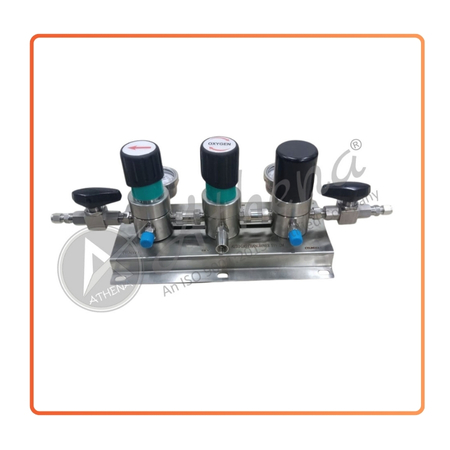
Handling pressurised gases in laboratories and industries comes with serious responsibility. One misstep can affect not only efficiency but also safety. This is why a well-installed gas manifold system becomes an essential component in facilities where multiple gas cylinders are used regularly.
If you’re setting up a laboratory, running a chemical plant, or planning a facility upgrade, this guide will help you understand gas manifold systems, how they work, their advantages, and how to choose the right one for your needs. Whether your interest is in reducing downtime or maintaining pressure consistency, this article covers all the practical aspects you need to know.
Applications of Gas Manifold Systems
Gas manifold systems are designed to connect several gas cylinders into a single distribution channel, providing a steady and regulated supply of gases. They are used across multiple sectors where reliability and accuracy in gas flow are important.
Industries and settings that rely on gas manifold systems include:
- Scientific and research laboratories
- Petrochemical and chemical processing units
- Pharmaceutical production
- Semiconductor manufacturing
- Food packaging and preservation
- Welding and fabrication shops
- Medical institutions for oxygen and anaesthesia delivery
In all these environments, safety and uninterrupted operation are top priorities. Manifold systems allow users to keep operations running without frequent cylinder changes.
Types of Gas Manifold Systems
The design and structure of a gas manifold system depend on several factors: the type of gas being used, its pressure requirements, frequency of use, and the level of automation needed. Below are the commonly used systems:
Single-Line Manifold Systems
These systems direct gas from a group of cylinders into one main line. They’re simple, easy to maintain, and suitable for small operations where the gas flow is limited to fewer points.
Dual-Line Manifold Systems
Used in facilities that require round-the-clock gas availability. One line operates while the other stays in reserve. As soon as the first set of cylinders empties, the system can be switched manually or automatically to the second set.
Semi-Automatic Manifold Systems
They offer a balance between manual and fully automatic systems. While the switchover is detected by the system, physical intervention is required to reset it. These are suited for labs and workshops with moderate usage.
Fully Automatic Systems
Ideal for larger industries and continuous processes, these systems require no manual input once installed. They use sensors and control panels to switch between cylinder banks seamlessly and signal operators when a refill is needed.
High-Pressure Gas Manifold Systems
These are designed to manage gases stored at very high pressures, such as oxygen or nitrogen. They feature:
- Strong metals like stainless steel or brass
- Leak-resistant joints
- Multi-stage regulators for pressure control
- Flashback arrestors for flame-related safety
- Isolation valves for maintenance and safety operations
The choice of system depends on how often gases are used, safety protocols, and long-term operational needs.
How Gas Manifold Systems Function
Although the build and features may vary, the core working principle of every gas manifold system remains the same.
Gas is released from multiple cylinders that are connected through a network of valves and pipes. A regulator adjusts the pressure before the gas reaches usage points. Advanced systems have sensors that detect when a cylinder is empty and initiate a switchover to another bank.
Typical flow within a system:
- Gas enters through cylinder inlets
- Check valves prevent reverse flow
- Pressure is adjusted using regulators
- Gauges show current pressure levels
- Gas is then transported to workstations via outlet lines
- Relief valves protect against pressure build-up
Automation adds an extra layer of safety and convenience by removing human error and maintaining a constant supply.
Benefits of Installing a Gas Manifold System
Choosing the right gas manifold setup doesn’t just enhance gas supply it transforms how a facility operates. Here’s why:
- Less cylinder handling: No more frequent changes or movements of gas cylinders
- Time-saving: Switchovers happen instantly without disrupting work
- Increased safety: Reduces risk of leaks and accidents through proper sealing and monitoring
- Clean layout: Eliminates clutter caused by single-cylinder setups
- Continuous flow: Avoids shutdowns due to empty cylinders
- Early leak detection: Changes in gauge readings can highlight system problems
- Space-saving: Cylinder storage and delivery are centralised
These points make gas manifold systems especially beneficial for laboratories, where consistency and safety cannot be compromised.
Key Safety Tips for Gas Manifold Usage
Even the best systems must be used with care. Handling gases especially flammable or pressurised ones always carries some level of risk. Here are essential safety practices to follow:
Do’s:
- Use regulators that match the gas type and pressure rating
- Store cylinders upright and secure them properly
- Keep the area well-ventilated
- Install flashback arrestors and relief valves
- Ensure all fittings are clean and free from oil
- Display proper signage near cylinder areas
- Train staff in emergency procedures
Don’ts:
- Never use a damaged hose or connection
- Don’t smoke near gas cylinders or outlets
- Avoid using copper with acetylene due to reaction risks
- Don’t modify or tamper with the regulator while in use
Routine inspections are essential, especially in systems handling high volumes or hazardous gases. Always consult the manufacturer for exact recommendations.
Installation Guide for Gas Manifold Systems
A good installation ensures safety, efficient operation, and long-term durability. Whether you’re setting up a new lab or upgrading an industrial unit, follow these steps:
1. Site Preparation
Evaluate cylinder storage space, ventilation, and access points. Make sure the layout allows for clear routing of pipes and valves.
2. Material Selection
Choose materials like stainless steel for corrosive or high-pressure gases. Brass may be used for inert gases. Avoid incompatible materials with flammable gases.
3. Component Setup
Install regulators, gauges, isolation valves, and check valves according to system design. Secure connections using correct thread sealants and avoid overtightening.
4. Cylinder Bank Installation
Attach cylinders using flexible connectors or high-pressure tubing. Ensure each cylinder is supported and labelled correctly.
5. Leak Testing
Before activation, use soapy water or an approved gas leak detector across all joints and fittings.
6. System Commissioning
Gradually introduce gas pressure, monitor gauges, and ensure all outlets receive uniform flow.
7. Documentation
Record cylinder pressure, outlet flow, maintenance instructions, and emergency steps in a visible area for operators.
Professional support is recommended, especially if you’re dealing with multiple gas types or full automation.
Gas Manifold Maintenance Checklist
Keeping your gas manifold system in working condition prevents breakdowns, accidents, and gas waste. Follow this routine:
Daily Checks:
- Inspect pressure gauges
- Look for moisture or corrosion near joints
- Confirm cylinders are secure
Monthly Checks:
- Perform leak test using safe detection methods
- Clean filters and inspect pressure regulators
- Check flashback arrestors and safety valves
Quarterly Checks:
- Test switchover functions (for automatic systems)
- Verify sensor calibration
- Re-torque fittings if required
Annual Checks:
- Replace worn-out valves or regulators
- Review system usage and make adjustments
- Inspect piping for structural fatigue or damage
Proper documentation of each maintenance cycle helps in identifying patterns and taking pre-emptive actions.
Why Many Professionals Prefer Athena Instruments
Athena Instruments is known among gas manifold system manufacturers in India for its focus on performance, quality, and technical service. Whether you’re equipping a lab or planning an industrial installation, Athena provides practical solutions to fit your budget and safety needs.
What you can expect:
- Durable construction using tested materials
- Precision-engineered regulators and valves
- Guidance for installation, usage, and servicing
- Options for automation, custom design, and multiple gas types
- Trusted support for gas manifold system for laboratory use
Athena’s systems are designed to meet Indian and global safety norms, giving you peace of mind with every installation.
Frequently Asked Questions
Q1. What gases are compatible with gas manifold systems?
Answer: Most systems can handle oxygen, nitrogen, helium, hydrogen, argon, CO₂, and other inert or reactive gases depending on material compatibility.
Q2. How do I select the right type of gas manifold?
Answer: The selection depends on your gas usage pattern, flow rate, automation need, and safety requirements. Always check with a supplier before purchasing.
Q3. Are automated gas manifolds safe for labs?
Answer: Yes. In fact, they reduce risks by handling switchover tasks automatically and alerting users when refills are needed.
Q4. What is the lifespan of a manifold system?
Answer: With proper installation and regular maintenance, a well-made system can last 10–15 years or more.
Q5. Can one manifold system handle multiple gases?
Answer: Not usually. Systems are designed per gas type due to differences in pressure, reactivity, and flow characteristics.
Q6. Is professional installation necessary?
Answer: Yes. Gas leaks, improper fittings, and incorrect pressure settings can lead to safety hazards if installed without expertise.
Q7. Can Athena Instruments provide custom designs?
Answer: Yes. Athena offers customisable options based on gas type, outlet requirements, and space constraints.
Q8. What should I do if a regulator shows inconsistent pressure?
Answer: Turn off the supply, check for leaks, and contact a technician. Pressure instability can indicate a failing regulator or blocked line.