Microbiological testing depends on one vital step that many laboratories underestimate accurate sample preparation. Even the most advanced incubator or analyser cannot compensate for poorly homogenised samples.
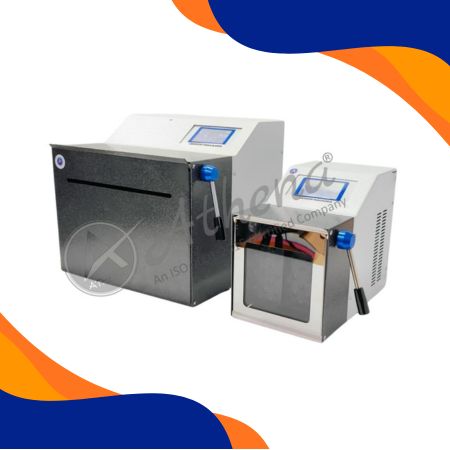
This is where a Laboratory Paddle Blender becomes indispensable. Designed to prepare sterile, uniform samples without blade contact, it plays a central role in food testing, pharmaceutical validation and environmental analysis.
As a trusted laboratory paddle blender manufacturer in India, Athena Instruments designs advanced homogenisation systems that combine precision, durability and safety in a single unit. This guide explains everything you need to know before selecting the right model.
Understanding the Role of a Laboratory Paddle Blender
A Laboratory Paddle Blender is a sample preparation device that homogenises solid and semi-solid samples inside a sterile bag. It works through controlled squeezing motion rather than rotating blades.
Many professionals also refer to it as a laboratory slap homogenizer because of its back-and-forth paddling action.
Unlike traditional blenders, it:
- Prevents cross contamination
- Maintains sample sterility
- Avoids heating during homogenisation
- Reduces cleaning requirements
According to manufacturers, controlled squeezing ensures uniform microbial extraction from both internal and surface layers of samples.
Working Principle of Laboratory Paddle Blender
The working mechanism remains simple yet precise.
Step-by-Step Working Process
- Place the sample inside a sterile homogeniser bag.
- Add required diluent into the same bag.
- Insert the sealed bag into the blending chamber.
- Close the safety door with toughened glass window.
- Set time and speed on the touch screen laboratory paddle blender interface.
- The paddles move at 3–12 times per second squeezing action.
- The system maintains adjustable paddle spacing from 0–55 mm.
- After the set time, the end alarm alerts the operator.
The squeezing motion breaks down the sample gently and releases microorganisms into the diluent without shredding or heating.
Key Technical Specifications and Models
Athena Instruments offers three primary configurations. Below is a simplified comparison to help you select the right model.
| Feature | ATSB-400 | ATSB-1000 | ATSB-3000 |
| Volume Range | 100 ml laboratory paddle blender / 400 ml lab homogenizer | 1 liter laboratory paddle blender | 3 liter laboratory homogenizer |
| Paddle Speed | 180–720 RPM | 360–1440 RPM | 360–1440 RPM |
| Squeezing Frequency | 3–12 times per second squeezing | 3–12 times per second squeezing | 3–12 times per second squeezing |
| Sterile Bag Capacity | laboratory paddle blender for 50 bags | 10 Bags | 10 Bags |
| Display | 4.3 inch LCD touch screen | 4.3 inch LCD touch screen | 4.3 inch LCD touch screen |
| Disinfection | UV sterilization laboratory blender | UV sterilization laboratory blender | UV sterilization laboratory blender |
| Body Material | Stainless steel + anti-corrosion coating | Stainless steel + anti-corrosion coating | Stainless steel + anti-corrosion coating |
This configuration covers small capacity lab paddle blender needs as well as high volume industrial testing.
Important Features That Improve Performance
Touch Screen Control
A touch screen laboratory paddle blender improves operational convenience. Operators can:
- Program 8 timing values
- Store 3 segment combinations
- Adjust homogenisation time from 1 second to 99 hours
- Monitor actual rattling speed
Built-In Sterilisation
The laboratory blender with sterilizing function uses UV light to disinfect the chamber.
This reduces microbial carryover risk and improves laboratory hygiene.
Anti-Pinch Safety
Automatic stop and anti-pinch protection protect operators. The system halts if obstruction is detected.
Stainless Steel Construction
The cabinet uses Stainless steel + anti-corrosion coating, improving durability and chemical resistance.
This matters in laboratories handling acidic or solvent-based samples.
Soft Start Function
Soft start prevents sudden shock to samples and mechanical components.
Applications Across Industries
A Laboratory Paddle Blender supports multiple laboratory segments.
Food and Beverage Testing
- Pathogen detection
- Dairy analysis
- Meat and poultry microbial testing
- Processed food quality checks
The sterile bag homogenizer 50 pcs format improves workflow in high-throughput food labs.
Pharmaceutical and Life Sciences
- API contamination testing
- Stability sample preparation
- Raw material microbial analysis
Cosmetic Industry
- Cream and lotion microbial evaluation
- Preservative efficacy testing
Environmental and Water Testing
- Soil sample homogenisation
- Wastewater microbial detection
Fisheries and Marine Industry
The Laboratory Paddle Blender is also highly suitable for the Fisheries and Marine industry, where microbial testing of fish, shrimp and seafood products is mandatory before distribution or export. Its sterile bag homogenisation process maintains sample integrity while extracting microorganisms efficiently. To date, Athena Instruments has successfully supplied 150+ units to fisheries and marine testing laboratories, supporting reliable and consistent sample preparation.
Clinical and Diagnostic Laboratories
- Sample preparation for culture testing
Paddle Blender vs Traditional Laboratory Blender
Understanding this difference helps purchasing teams make correct decisions.
| Feature | Laboratory Paddle Blender | Conventional Blade Blender |
| Contact | No direct blade contact | Direct blade contact |
| Heat Generation | Minimal | Can generate heat |
| Cleaning | No cleaning if bag intact | Cleaning required after every run |
| Contamination Risk | Low | Moderate |
| Sterility | Maintained via sterile bag | Depends on cleaning |
This explains why many labs prefer a laboratory slap homogenizer over rotating blade mixers.
How to Select the Right Capacity
Choosing the correct volume ensures efficiency and avoids unnecessary expenditure.
For Routine Small Sample Testing
Select:
- 100 ml laboratory paddle blender
- 400 ml lab homogenizer
Suitable for small research labs and academic testing.
For Medium Volume Labs
Choose:
- 1 liter laboratory paddle blender
- 500–1000 ml laboratory blender
Ideal for food safety labs processing multiple batches daily.
For High Throughput Facilities
Opt for:
- 3 liter laboratory homogenizer
- 600–3000 ml lab homogenizer
Best suited for industrial QC environments.
Best Practices for Operating Laboratory Paddle Blender
Following correct procedures improves accuracy and equipment life.
- Always use certified sterile bags.
- Avoid overfilling beyond recommended capacity.
- Adjust paddle spacing according to sample hardness.
- Activate UV sterilization laboratory blender function between batches.
- Clean outer surfaces daily even if chamber remains uncontaminated.
- Verify anti-pinch mechanism weekly.
- Use soft start for delicate biological samples.
Manufacturers state that proper bag sealing eliminates internal cleaning requirements in most cases.
Safety Guidelines
- Keep hands away from paddles during operation
- Close safety door completely before start
- Use protective gloves when handling biological samples
- Disconnect power before maintenance
- Inspect toughened glass window for cracks
The built-in monitoring system supports safe laboratory operations.
Why Many Labs Prefer Athena Laboratory Paddle Blender
- Microcomputer multi-stage programming
- 3–12 times per second squeezing precision
- UV sterilization laboratory blender system
- Stainless steel + anti-corrosion coating cabinet
- Automatic stop anti-pinch protection
- 12 months warranty support
As a laboratory paddle blender manufacturer in India, the company offers local technical assistance and spare parts availability.
Final Thoughts
Reliable microbiological results begin with precise sample preparation. A well-selected Laboratory Paddle Blender helps minimise contamination risk, improves repeatability and streamlines routine laboratory workflows.
By understanding the working principle, choosing the correct capacity from 100 ml laboratory paddle blender to 3 liter laboratory homogenizer, and evaluating advanced features such as 3–12 times per second squeezing and UV sterilization laboratory blender systems, laboratories can make confident purchasing decisions that support consistent long-term performance.
Before investing, compare construction quality, programmable controls, sterilising capability and after-sales support from the manufacturer.
To view detailed specifications, compare models and request a quotation, visit our Laboratory Paddle Blender product page.
Frequently Asked Questions
Q1. How does a Laboratory Paddle Blender prevent contamination?
Answer: It uses sterile disposable bags for sample processing. The paddles never touch the sample directly, which prevents cross contamination.
Q2. What is the difference between laboratory slap homogenizer and regular blender?
Answer: A laboratory slap homogenizer uses squeezing motion instead of rotating blades. It reduces heat and maintains sample sterility.
Q3. What does 3–12 times per second squeezing mean?
Answer: It indicates the number of paddle compression cycles per second. Higher frequency improves homogenisation efficiency for tough samples.
Q4. Which capacity should I choose for routine microbial testing?
Answer: Small labs can use 100 ml laboratory paddle blender or 400 ml lab homogenizer. High throughput labs should select 1 liter laboratory paddle blender or 3 liter laboratory homogenizer.
Q5. Does the equipment require cleaning after every use?
Answer: If the sterile bag remains intact, chamber cleaning is not required after each run. However, external cleaning and UV sterilization laboratory blender function should be used regularly.
Q6. Is a touch screen laboratory paddle blender better than manual models?
Answer: Yes. Touch screen models allow programmable timing, multi-stage control and accurate speed adjustment, improving repeatability.
Q7. How long does a Laboratory Paddle Blender last?
Answer: With proper maintenance and correct usage, stainless steel + anti-corrosion coating models offer a long service life.