


Introduction
Ultrasonic bath systems have become popular across laboratories, workshops, and even households in India. Whether you’re working with sensitive instruments or jewellery, a sonicator ultrasonic bath offers precision cleaning using high-frequency sound waves and water-based solutions. While it’s excellent for removing dirt from complex surfaces, not everything is suitable for ultrasonic cleaning.
In this guide, we’ll cover ten common items five you can clean safely and five you should avoid. We’ll also explain how the process works and when to seek help from professionals like Athena Technology, a trusted name in lab instruments in India.
How Ultrasonic Baths Work
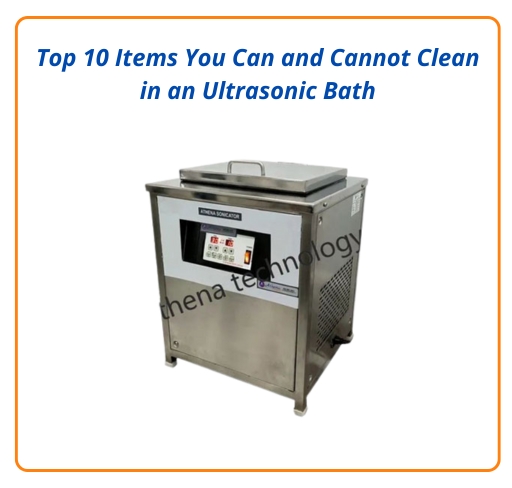
An ultrasonic bath generates high-frequency sound waves (typically 20–40 kHz) into a liquid cleaning solution. This creates tiny bubbles that collapse rapidly, producing microscopic scrubbing actions on the object’s surface. This method is non-abrasive, highly efficient, and reaches even the tiniest corners of complex items.
- Ideal for intricate parts or items with blind holes
- Requires a compatible cleaning solution
- Cleaning time varies by object and level of contamination
Items You Can Clean in an Ultrasonic Bath
Jewellery (Gold, Silver, Platinum)
Most precious metals without glued stones can be safely cleaned. Dirt, oils, and residues are removed from crevices that cloths or brushes can’t reach.
Eyeglasses and Optical Lenses
Frames and lenses (excluding those with anti-reflective coating damage) are ideal candidates.
- Removes smudges and facial oil
- Use a gentle cleaning cycle for lenses
Lab Glassware
Beakers, test tubes, flasks, and other glass items from labs benefit from ultrasonic cleaning, particularly when working with sticky chemical residues.
- Saves time and effort in laboratories
- Compatible with cleaning liquids used in lab settings
Dental and Surgical Instruments
Precision tools in medical and dental fields need residue-free cleaning. Ultrasonic baths clean fine grooves and hinges without causing damage.
- Great for clinics and sterilisation setups
- Must be sterilised post-cleaning for hygienic use
Mechanical Parts (e.g., Watch Parts, Carburettors)
Small mechanical components, particularly ones with intricate designs, are cleaned effectively.
- Restores performance by removing grime and old lubricants
- Use industrial-grade solution for metal parts
Items You Should Not Clean in an Ultrasonic Bath
Soft Gemstones and Porous Stones
Opals, turquoise, pearls, and amber are too delicate. The vibrations can cause cracking or fading.
- Stick to manual cleaning
- Avoid any kind of ultrasonic exposure
Wooden Items
Wood is porous and absorbs water. This leads to swelling, cracking, or warping.
- Use traditional dry cleaning methods
- Not suitable for any wood-based jewellery or handles
Electronics with Batteries or Delicate Circuits
While ultrasonic cleaning is great for metal parts of circuit boards, it should never be used on live electronics or devices with batteries intact.
- May lead to short-circuiting or permanent damage
- Remove all electronic components before attempting
Painted or Coated Items
Painted surfaces or those with thin coatings can peel or bubble under ultrasonic stress.
- Use mild cloth-based cleaning for such items
- Not recommended even with gentle cycles
Fabrics or Textiles
Clothes, leather, or fabric items are not compatible. They absorb liquid and don’t respond well to ultrasonic agitation.
- Risk of waterlogging or tearing
- Use standard washing methods instead
Safe Use Guidelines for Ultrasonic Bath Users
If you’re using a sonicator ultrasonic bath at home or in a lab:
- Always read the item’s material compatibility
- Use appropriate cleaning solutions recommended by the manufacturer
- Do not overload the bath
- Rinse items after cleaning and dry properly
- Use baskets or trays to prevent items from touching the tank’s surface
For professionals handling sensitive or high-value equipment, Athena Technology supplies trusted ultrasonic bath systems and lab instruments across India. Their machines are built for accuracy, reliability, and safe operations.
Frequently Asked Questions
Q1. What items are safe to clean in a sonicator ultrasonic bath?
Answer: Items made of hard metals, lab glassware, surgical instruments, and most jewellery (without glued-in stones) are safe to clean.
Q2. Can ultrasonic baths damage items?
Answer: Yes, if used on unsuitable materials like wood, soft gemstones, or electronic items, ultrasonic waves may cause irreversible damage.
Q3. How long should I clean items in an ultrasonic bath?
Answer: Depending on the contamination level, 5 to 20 minutes is sufficient. For delicate items, keep the duration short and solution mild.
Q4. Is an ultrasonic bath suitable for lab instruments?
Answer: Yes, it’s commonly used for cleaning test tubes, pipettes, and other glassware. Always follow chemical compatibility guidelines.
Q5. Can I clean eyeglasses with an ultrasonic cleaner?
Answer: Yes, as long as the lenses are not scratched or damaged. Avoid using strong cleaning agents that could affect coatings.
Q6. Are ultrasonic baths safe for home use?
Answer: Yes, provided they are used correctly. Follow manufacturer guidelines, don’t clean restricted items, and wear gloves for safety.
Q7. Should jewellery with stones be placed in an ultrasonic bath?
Answer: It depends on the stone. Diamonds are fine, but pearls, opals, and emeralds can get damaged. Consult a jeweller if unsure.
Q8. Where can I buy a reliable ultrasonic bath in India?
Answer: You can purchase quality ultrasonic bath machines from Athena Technology, which offers lab-grade models with excellent service support.