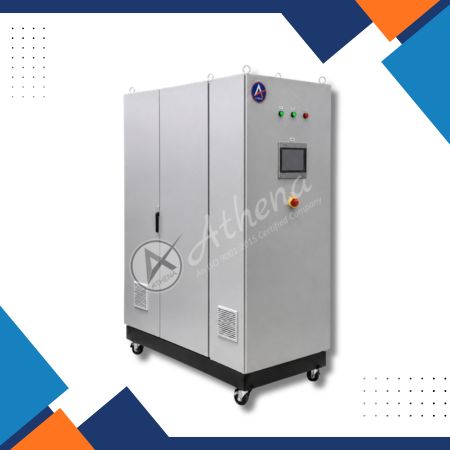
A green hydrogen plant produces hydrogen by splitting purified water through electrolysis powered by electricity, ideally from renewable energy sources. When selecting a green hydrogen plant manufacturer, buyers should evaluate hydrogen purity, production capacity, automation, safety features, after-sales support, and manufacturing expertise.
Green hydrogen is becoming an important part of industrial decarbonization as businesses look for cleaner alternatives to conventional fuels. Produced through water electrolysis, it offers a reliable way to generate high-purity hydrogen without relying on fossil fuel-based production methods.
Selecting the right green hydrogen plant manufacturer is about more than comparing specifications. Long-term reliability, engineering quality, process efficiency, and technical support all influence operational performance. This guide explains how green hydrogen plants work, what buyers should evaluate, and why manufacturers such as Athena Instruments are contributing to India’s growing hydrogen ecosystem.
What Is a Green Hydrogen Plant?
A green hydrogen plant is an industrial system that generates hydrogen by splitting water into hydrogen and oxygen through electrolysis. When electricity from renewable sources powers the process, the hydrogen produced is known as green hydrogen because it avoids carbon-intensive production methods.
Unlike conventional hydrogen production, electrolysis provides a cleaner approach while maintaining high hydrogen purity suitable for industrial applications. Modern systems are designed for continuous operation, improved efficiency, and simplified maintenance, making them practical for manufacturing facilities, research laboratories, and energy projects.
How Does a Green Hydrogen Plant Work?
The process begins with purified or deionized water entering the electrolysis system. Inside the electrolyzer, specialized electrolyte electrodes separate water molecules into hydrogen and oxygen using electrical energy.
The generated hydrogen is then purified and prepared for storage or direct industrial use, while oxygen can be safely vented or utilized for other applications where appropriate.
Modern hydrogen generation systems are designed to improve operational stability through features such as:
- Automated process control for consistent hydrogen production
- Pressure, water shortage, and water accumulation safety alarms
- Stable hydrogen output with minimal operator intervention
These features help maintain production continuity while supporting safer plant operations.
What to Look for in a Green Hydrogen Plant Manufacturer
Choosing a manufacturer involves evaluating much more than production capacity. A well-designed hydrogen generation system should combine engineering precision with dependable long-term performance.
Some of the most important considerations include:
- Hydrogen purity suitable for industrial processes
- Production capacity that matches operational requirements
- Automation and built-in safety monitoring
- Easy maintenance and dependable technical support
Manufacturers should also demonstrate proven engineering capability, quality manufacturing standards, and the ability to customize systems for different industries.
For example, Athena Instruments manufactures water electrolysis-based green hydrogen plants designed to deliver hydrogen purity of up to 99.9995%, while offering production capacities ranging from approximately 1 to 3000 m³/hr depending on application requirements. These specifications allow businesses to select systems that align with both current and future production needs.
Why Hydrogen Purity and Plant Efficiency Matter
Hydrogen quality directly influences the performance of many industrial processes. Applications such as electronics manufacturing, laboratory research, pharmaceuticals, and specialty chemical production often require extremely high-purity hydrogen to maintain product consistency and process reliability.
Similarly, electrolysis efficiency affects operating costs over the plant’s lifetime. Higher efficiency means more effective utilization of electricity, reducing unnecessary energy consumption while maintaining stable hydrogen output.
Advanced electrolysis systems also benefit from technologies such as composite catalysts and ion membrane designs, which contribute to improved process efficiency and consistent gas generation.
Industries Using Green Hydrogen Plants
Green hydrogen has applications across multiple industrial sectors because it can be generated on-site and supplied according to operational demand.
Common industries include:
- Chemical and petrochemical manufacturing
- Pharmaceutical production
- Research laboratories and educational institutions
- Electronics manufacturing
- Glass processing
- Steel and metal industries
- Renewable energy integration
- Industrial process plants
As industries continue working toward lower emissions and improved energy efficiency, hydrogen generation systems are becoming an increasingly valuable part of modern manufacturing infrastructure.
Why Indian Manufacturers Are Gaining Global Recognition
India has developed strong capabilities in industrial equipment manufacturing, supported by skilled engineering, competitive production costs, and growing investments in clean energy technologies.
Many Indian manufacturers now supply equipment for both domestic and international markets by focusing on manufacturing quality, customization, regulatory compliance, and responsive technical support.
Companies like Athena Instruments reflect this approach by designing and manufacturing green hydrogen plants in India while serving industries that require dependable hydrogen generation equipment. Their emphasis on engineering quality, automation, and process safety supports applications ranging from laboratories to large-scale industrial operations.
How Athena Instruments Supports Industrial Hydrogen Generation
Every industrial application has unique hydrogen requirements. Some prioritize gas purity, while others require higher production capacity or continuous operation.
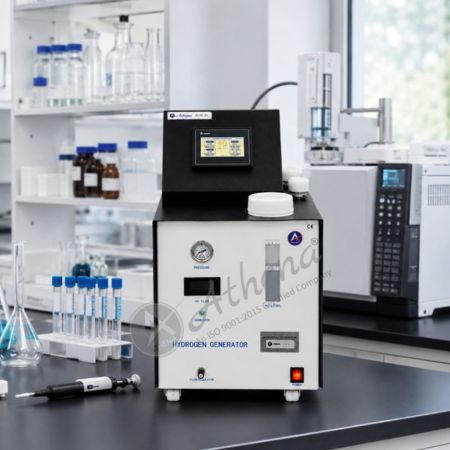
Athena Instruments addresses these varying needs with water electrolysis-based hydrogen generation systems that combine high-purity hydrogen production with reliable automation. The systems are designed using advanced electrolyte electrode technology supported by composite catalysts and ion membrane integration to improve electrolysis efficiency.
Additional operational advantages include simple maintenance, corrosion-resistant operation, compatibility with deionized or distilled water, and integrated safety monitoring for pressure and water conditions. These features help facilities maintain stable hydrogen production while reducing operational complexity.
Rather than offering a standard solution for every customer, the systems can be configured to meet different industrial production requirements, making them suitable for a broad range of applications.
Choosing the Right Green Hydrogen Plant for Long-Term Success
A green hydrogen plant is a long-term investment that should deliver reliable performance for years of operation. Beyond comparing capacities or technical specifications, buyers should evaluate engineering quality, hydrogen purity, automation, maintenance requirements, and manufacturer support before making a decision.
Working with an experienced green hydrogen plant manufacturer can improve operational reliability while ensuring the system is aligned with production goals. For organizations exploring dependable water electrolysis technology, Athena Instruments offers engineering-focused hydrogen generation solutions designed to meet evolving industrial requirements with safety, efficiency, and consistent performance.
Frequently Asked Questions
Q1. What is a green hydrogen plant?
Answer: A green hydrogen plant produces hydrogen by splitting purified water into hydrogen and oxygen through electrolysis, ideally using electricity from renewable energy sources.
Q2. What purity of hydrogen can modern plants achieve?
Answer: Advanced electrolysis systems can produce hydrogen with purity levels of up to 99.9995%, depending on system design and operating conditions.
Q3. Which industries commonly use green hydrogen plants?
Answer: Chemical processing, pharmaceuticals, electronics, research laboratories, steel manufacturing, glass production, and renewable energy projects commonly use hydrogen generation systems.
Q4. Why is water quality important in hydrogen production?
Answer: Using deionized or distilled water helps maintain electrolysis efficiency, protects system components, and improves hydrogen quality.
Q5. What should I consider before choosing a green hydrogen plant manufacturer?
Answer: Evaluate manufacturing expertise, hydrogen purity, production capacity, automation, safety features, maintenance requirements, customization options, and after-sales technical support.
Q6. What production capacity is available for industrial applications?
Answer: Depending on operational requirements, systems can be designed with production capacities ranging from approximately 1 to 3000 m³/hr.
Q7. Is a green hydrogen plant suitable for continuous industrial operation?
Answer: Modern electrolysis-based systems are designed for stable, automated operation with integrated monitoring and safety features that support continuous hydrogen generation.
Q8. How does Athena Instruments support industrial hydrogen generation?
Answer: Athena Instruments manufactures water electrolysis-based green hydrogen plants with advanced automation, high-purity hydrogen production, configurable capacities, and engineering-focused solutions for diverse industrial applications.