Pressure-related issues often begin with a small oversight in selecting the right gas cylinder regulator. Many users focus on the gas cylinder itself but overlook how pressure control directly affects safety, output consistency, and equipment life. Whether you are handling industrial processes or laboratory testing, the regulator you choose shapes the overall performance of your system.
This guide explains how to select the right regulator, along with practical insights into different regulator types available from Athena Instruments, helping you make a well-informed decision.
Understanding the Role of a Gas Cylinder Regulator
A gas cylinder regulator reduces high-pressure gas from a cylinder into a controlled and usable output. Without proper regulation, gas can flow unevenly, which may damage equipment or create unsafe conditions.
In industrial setups, regulators help maintain steady operations. In laboratories, they support precise control required for testing and analysis. The same device serves different purposes depending on how it is selected and applied.
Types of Gas Pressure Regulators and Their Applications
Different applications require different regulator designs. Knowing the available options helps avoid mismatch.
Single-Stage Regulators
These regulators reduce pressure in one step. They are suitable where slight pressure variation does not affect operations.
Commonly used in:
- Welding units
- Basic industrial gas supply
Double-Stage High Pressure Regulators
These regulators provide two-step pressure reduction, offering better stability.
They are ideal for:
- Laboratory instruments
- Calibration systems
- Sensitive applications
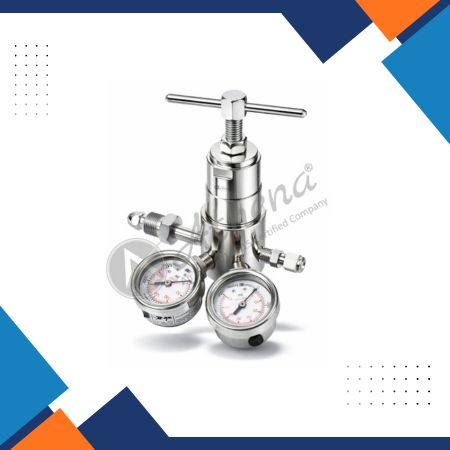
Athena Instruments offers double stage high pressure piston regulators, designed for consistent output and improved control in precision-driven environments.
Line and High Pressure Gas Regulators
These regulators are used within gas distribution lines where maintaining pressure across multiple points is required.
They support:
- Central gas supply systems
- Industrial pipelines
Athena Instruments provides line high pressure gas regulators built for reliable pressure control across extended systems.
Industrial vs Laboratory Gas Regulator: Practical Differences
Understanding the difference between industrial and laboratory regulators helps avoid performance issues.
| Feature | Industrial Gas Cylinder Regulator | Laboratory Gas Regulator |
| Pressure Control | Moderate stability | High precision |
| Usage Pattern | Continuous and heavy-duty | Controlled and sensitive |
| Build | Strong and durable | Compact and refined |
| Application Focus | Manufacturing processes | Testing and analysis |
An industrial gas cylinder regulator supports heavy usage, while a laboratory gas regulator is built for accuracy and stability.
How to Choose Gas Cylinder Regulator for Your Requirement
Selecting the correct regulator depends on your application rather than just the gas type.
Gas Compatibility
Each gas has different properties. For example, ammonia and sulphur dioxide require specialised regulators due to their chemical nature.
Athena Instruments provides gas cylinder regulators for a wide range of gases, including:
- Ammonia high pressure gas regulators for controlled handling in industrial and laboratory applications.
- SO2 gas regulators designed for sulphur dioxide service where stable pressure control is required.
- Hydrogen gas cylinder regulators for applications needing secure pressure control for high-diffusion gases.
- Oxygen gas regulators built for safe and accurate pressure delivery in industrial and analytical use.
- Argon gas regulators suited for shielding, instrumentation and process gas applications.
- Helium gas regulators designed for precision flow control in testing and laboratory environments.
- Zero air gas regulators are used in calibration systems and analytical instruments requiring a clean, regulated supply.
- SF6 gas regulators suitable for specialised high-pressure applications where controlled gas delivery is essential.
This product range allows Athena Instruments to support varied requirements across industrial gas cylinder regulator and laboratory gas regulator applications, while helping users choose the right solution based on gas compatibility, pressure needs and safety requirements.
Pressure and Flow Needs
Industrial systems often require high flow rates, while laboratories need controlled, low flow output.
Material Selection
Material plays a role in durability and compatibility.
- Brass works well for general gases
- Stainless steel suits reactive or high-purity gases
Application Environment
A regulator used in a factory setting must handle rough usage, while laboratory regulators must deliver stable readings.
This gas cylinder regulator selection guide helps align your choice with real usage conditions.
Understanding Specialised Gas Regulators from Athena Instruments
Different gases and systems require specialised regulators. Athena Instruments offers a range suited for both industrial and laboratory applications.
SO2 Gas Regulator
Designed for sulphur dioxide applications, this regulator supports safe handling and controlled flow, which is important in chemical processing and research setups.
Ammonia High Pressure Gas Regulator
Used where ammonia gas is involved, this regulator manages high pressure safely while maintaining stability in output.
Gas Cylinder Regulators
These are general-purpose regulators suitable for a wide range of gases, offering dependable pressure control for both industrial and laboratory use.
Line High Pressure Gas Regulators
Ideal for pipeline systems, these regulators maintain consistent pressure across multiple usage points, supporting large-scale operations.
Double Stage High Pressure Piston Regulator
This regulator is suitable for precision-based applications where stable output is required over time, making it a good fit for laboratory environments.
By offering these options, Athena Instruments supports varied use cases without compromising on safety or performance.
Gas Regulator Safety Guidelines for Daily Operations
Handling gas regulators requires attention to safety practices.
A few important gas regulator safety guidelines include:
- Check for leaks before use
- Use regulators designed for the specific gas
- Avoid forcing connections
- Keep regulators away from contaminants
- Store cylinders in a stable position
These steps help reduce risks and maintain consistent performance.
Common Selection Mistakes and Their Impact
Many issues arise due to incorrect regulator selection rather than product faults.
Some typical mistakes include:
- Using a general regulator for specialised gases
- Ignoring pressure ratings
- Selecting based on cost rather than requirement
For example, using a standard regulator for ammonia or SO2 can lead to corrosion or leakage issues. Similarly, using a single-stage regulator in a laboratory setup may affect accuracy.
When Should You Upgrade Your Gas Cylinder Regulator
Over time, regulators may lose efficiency due to wear or mismatch.
Consider replacement if you notice:
- Irregular pressure output
- Difficulty in adjustment
- Signs of leakage
- Reduced performance in sensitive applications
Upgrading to a suitable regulator improves both safety and operational consistency.
Choosing the Right Regulator with Confidence
Selecting a Gas Cylinder Regulator becomes easier when you understand your application and the available options. Industrial and laboratory setups demand different levels of control, and using the right regulator improves both safety and efficiency.
With a wide range of products such as SO2 regulators, ammonia regulators, line regulators, and double-stage systems, Athena Instruments supports varied requirements with practical solutions designed for real-world use.
Making an informed choice today helps avoid operational issues later while maintaining consistent and safe gas usage.
FAQs
Q1. How to choose gas cylinder regulator for industrial use?
Answer: Select based on gas type, pressure requirement, and flow capacity. Industrial applications need durable regulators with stable output.
Q2. Which regulator is suitable for laboratory applications?
Answer: Double-stage regulators are preferred as they provide accurate and stable pressure control.
Q3. Can one regulator handle different gases?
Answer: No, regulators must match the specific gas type to avoid safety risks and performance issues.
Q4. Why are specialised regulators needed for gases like ammonia or SO2?
Answer: These gases have specific chemical properties that require compatible materials and design for safe handling.
Q5. What are the main types of gas pressure regulators?
Answer: Single-stage, double-stage, and line regulators are commonly used depending on the application.
Q6. How do I identify the right gas regulator supplier?
Answer: Look for technical support, product range, and reliability. Trusted suppliers like Athena Instruments offer application-specific solutions.
Q7. What are basic gas regulator safety guidelines?
Answer: Regular inspection, correct installation, and using compatible regulators are essential safety measures.