

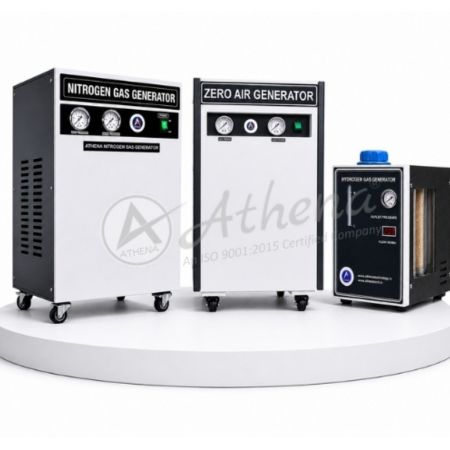
Selecting a gas generator manufacturer in India is a long-term decision that goes beyond comparing prices or product specifications. Whether you’re setting up a pharmaceutical laboratory, expanding a food testing facility, or upgrading an analytical research center, the right gas generation system can improve operational efficiency, reduce recurring costs, and ensure consistent instrument performance.
Modern laboratories increasingly prefer on-site gas generation over traditional gas cylinders due to improved safety, uninterrupted gas supply, and lower operating expenses. However, every application has unique requirements, making it essential to evaluate a manufacturer carefully before investing.
This guide highlights ten practical questions every buyer should ask to make an informed decision.
1. Does the Manufacturer Offer Solutions for Different Laboratory Applications?
Not every gas generator is designed for the same purpose. A manufacturer with a broad product portfolio is more likely to recommend a solution that matches your application rather than a one-size-fits-all system.
For example, laboratories may require different generators for:
- Gas Chromatography (GC)
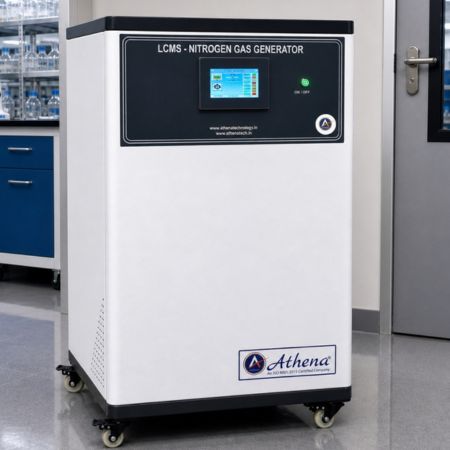
- LC-MS / LC-MS-MS systems
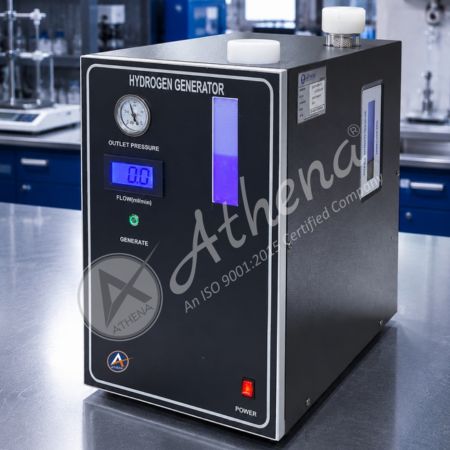
- Hydrogen generation
- Zero Air generation
- Membrane-based nitrogen production
Choosing application-specific equipment helps maintain stable gas purity, pressure, and flow rates required by analytical instruments.
2. What Gas Purity Levels Can the System Consistently Deliver?
Gas purity directly affects analytical accuracy. Even small variations can influence instrument performance, especially in sensitive laboratory applications.
Depending on the application, buyers should verify:
- Nitrogen purity requirements
- Hydrogen purity specifications
- Hydrocarbon levels in Zero Air systems
- Dew point and moisture removal capabilities
Rather than focusing only on maximum purity, ask whether the generator can consistently maintain those specifications during continuous operation.
3. Is the Technology Suitable for Your Laboratory Requirements?
Different gas generators use different technologies, and selecting the right one depends on your workflow.
Common technologies include:
- PSA (Pressure Swing Adsorption) for high-purity nitrogen generation
- Membrane technology for industrial nitrogen applications
- PEM and alkaline electrolysis for hydrogen generation
- Advanced purification systems for zero-air production
Understanding the technology behind the system helps determine maintenance needs, operating efficiency, and long-term reliability.
4. Will the Generator Be Compatible with Your Existing Instruments?
Instrument compatibility is often overlooked during procurement.
Before purchasing, confirm compatibility with systems such as:
- Gas Chromatography (GC)
- LC-MS / LC-MS-MS
- FTIR
- ELSD
- CAD
- TOC analyzers
- Thermal analysis instruments
A properly matched gas generator ensures stable pressure, uninterrupted gas flow, and consistent analytical performance without unnecessary modifications.
5. Can the System Support Future Expansion?
Laboratory requirements rarely remain the same for years.
As testing volumes increase or additional instruments are installed, gas demand also grows. Choosing a manufacturer that offers multiple flow capacities and scalable configurations can reduce future replacement costs.
This is particularly important for research laboratories, pharmaceutical manufacturing facilities, educational institutions, and environmental testing laboratories where expansion is common.
6. What Are the Long-Term Operating Costs?
The purchase price represents only one part of the overall investment.
A more meaningful comparison considers the total cost of ownership, including electricity consumption, maintenance, consumables, servicing, and the recurring cost of gas cylinders.
On-site gas generation often reduces dependence on cylinder deliveries while minimizing laboratory downtime caused by gas shortages. Over time, these operational savings can outweigh the initial investment for many facilities.
7. Does the Manufacturer Prioritize Safety and Reliability?
Laboratory safety should never be compromised.
When evaluating a gas generator manufacturer in India, consider whether the systems include features such as automated controls, integrated purification, pressure regulation, leak-resistant designs, and continuous monitoring.
Replacing high-pressure gas cylinders with on-site gas generation can also reduce handling risks while providing a more stable gas supply for critical analytical processes.
8. What Certifications and Quality Standards Does the Manufacturer Follow?
Reliable manufacturers typically design and test their equipment according to recognized quality standards.
Look for certifications and compliance such as:
- ISO 9001-certified manufacturing
- CE-certified products
- Quality-tested components
- Documented performance standards
These certifications demonstrate that the equipment has been manufactured under controlled quality processes and meets established industry requirements.
9. Is Technical Support Available After Installation?
Even the most advanced gas generator requires periodic servicing and technical guidance.
Before making a purchase, ask about:
- Installation assistance
- Preventive maintenance support
- Spare parts availability
- Remote troubleshooting
- On-site service coverage across India
Responsive after-sales support helps laboratories maintain productivity while minimizing unexpected downtime.
10. Does the Manufacturer Have Proven Industry Experience?
Experience often reflects the ability to understand diverse laboratory requirements and recommend suitable solutions.
Manufacturers serving industries such as pharmaceutical research, biotechnology, food and beverage testing, chemical processing, petrochemicals, healthcare, environmental laboratories, and universities generally possess broader application knowledge.
Companies with a strong installation base and years of industry expertise are also more likely to provide practical guidance throughout the equipment lifecycle. For example, Athena Instruments has delivered gas generation solutions for laboratories across India and worldwide, supported by 15+ years of experience and 10,000+ installations across diverse analytical applications.
A Practical Perspective Before You Make a Decision
Choosing the right gas generator manufacturer in India involves more than comparing technical specifications. Buyers should evaluate application compatibility, gas purity, technology, scalability, safety, certifications, operating costs, and long-term service support before making a decision.
Whether your laboratory requires a nitrogen gas generator for GC, an LC-MS nitrogen generator, a hydrogen gas generator, a zero air generator, or a membrane nitrogen generator, selecting a manufacturer with proven expertise can help ensure reliable performance for years to come.
As laboratory automation continues to grow across India’s pharmaceutical, research, food testing, healthcare, and industrial sectors, investing in the right gas generation partner today can improve operational efficiency while supporting future expansion. Athena Instruments offers a comprehensive range of laboratory gas generation systems designed to meet diverse analytical requirements with dependable performance and long-term reliability.
Frequently Asked Questions
Q1. What should I consider before buying a gas generator?
Answer: Evaluate the application, required gas purity, flow rate, instrument compatibility, operating costs, certifications, scalability, and after-sales support before making a purchase.
Q2. Why are laboratories shifting from gas cylinders to gas generators?
Answer: On-site gas generators provide continuous gas supply, reduce recurring cylinder costs, improve laboratory safety, and minimize operational interruptions.
Q3. Which industries commonly use laboratory gas generators?
Answer: Gas generators are widely used in pharmaceutical manufacturing, research laboratories, food and beverage testing, biotechnology, chemical and petrochemical industries, environmental testing laboratories, healthcare facilities, and educational institutions.
Q4. Which gases are commonly generated on-site?
Answer: Most laboratories generate nitrogen, hydrogen, and zero air depending on their analytical instruments and testing applications.