

Choosing between an oxy-hydrogen welding generator and LPG welding equipment depends on the material, required flame control, working environment, and operating costs. Both technologies produce heat for metalworking, but their gas supply systems and practical applications differ. For jewellery manufacturers, repair workshops, and precision component producers, understanding these differences can help avoid unsuitable equipment purchases. This guide compares oxy-hydrogen and LPG welding across performance, safety, cost, and applications to help businesses make an informed decision.
What Is an Oxy-Hydrogen Welding Generator?
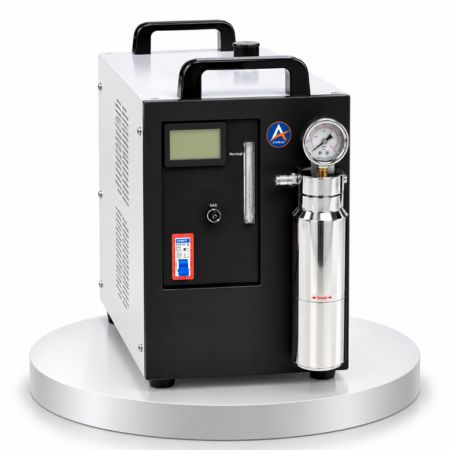
An Oxy-Hydrogen Welding Generator produces hydrogen and oxygen through water electrolysis. The gases are supplied to a suitable torch, where combustion produces a concentrated flame. Unlike conventional cylinder-fed systems, an on-demand generator can produce the required gases during operation, subject to its design and rated output.
This technology can be useful for selected precision-heating applications, including jewellery fabrication, small metal components, brazing, soldering, and certain laboratory processes. Its suitability depends on the material, joint requirements, torch configuration, and available gas flow.
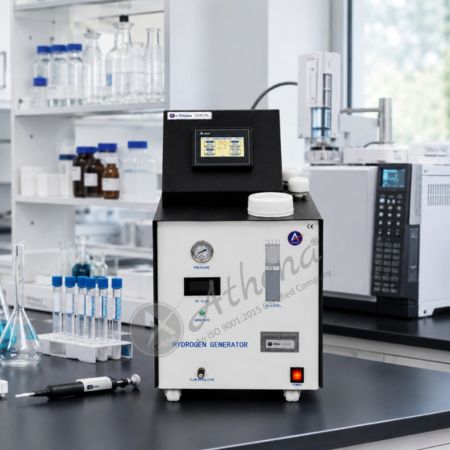
Athena Instruments offers oxy-hydrogen generator equipment for applications such as jewellery work, electronic motor repair, and laboratory ampoule sealing. Buyers should verify the specifications of the relevant model before selecting equipment for a particular process.
What Is LPG Welding?
LPG welding commonly refers to heating, brazing, or soldering using liquefied petroleum gas, typically propane or a propane-rich fuel mixture, depending on the system. The fuel is supplied from a cylinder and burned through a compatible torch. Some setups use atmospheric air, while others combine the fuel with a separate oxygen supply.
LPG-based equipment is used in suitable metalworking, maintenance, heating, and repair applications. Its performance depends on the burner design, fuel mixture, workpiece material, and heating requirements. It is important to distinguish flame heating and brazing from fusion welding, where the base material itself melts to form the joint.
Oxy-Hydrogen Welding Generator vs LPG Welding: Key Differences
The main difference is how each system supplies fuel and delivers heat. Oxy-hydrogen equipment generates hydrogen and oxygen through electrolysis, while LPG equipment uses stored fuel gas. The more suitable option depends on the work being performed.
| Comparison factor | Oxy-hydrogen generator | LPG-based system |
| Gas supply | Generates hydrogen and oxygen through electrolysis | Uses LPG supplied from a cylinder |
| Flame characteristics | Concentrated flame suitable for selected precision-heating tasks | Characteristics depend on burner design and whether air or oxygen is used |
| Precision work | Can suit small components and detailed applications with appropriate torch control | Can suit precision work with a compatible torch and suitable setup |
| Gas storage | May avoid storing fuel-gas cylinders, but generates flammable gas during operation | Requires appropriate LPG cylinder storage and handling |
| Operating costs | Includes electricity, water or electrolyte requirements, maintenance, and equipment cost | Includes fuel, cylinder-related expenses, equipment, and maintenance |
| Safety | Requires controls for hydrogen leakage, flashback, and gas-system integrity | Requires controls for LPG leakage, ignition, fire, and cylinder handling |
| Applications | Selected jewellery, brazing, soldering, and laboratory applications | Suitable heating, repair, brazing, and other compatible workshop tasks |
Neither technology is automatically better in every category. Flame temperature alone does not determine how quickly a workpiece heats up or how much surrounding material is affected. Torch design, gas flow, distance from the component, and operator technique all influence results.
For businesses handling small or delicate components, controlled heat application may be a priority. For general workshop heating, an LPG setup may be appropriate where its burner characteristics meet the job requirements. The final decision should be based on the actual process rather than the fuel source alone.
Which Welding Method Is Better for Your Application?
The right equipment depends on the workpiece and the result required.
- Jewellery and small components: An oxy-hydrogen generator may be worth evaluating when a concentrated flame and controlled heating are important.
- General workshop heating and repairs: LPG equipment may be suitable where the required heat output and burner configuration match the application.
- Brazing and soldering: Either system may work for compatible materials and joint designs, provided the process requirements are met.
- Specialist welding tasks: Consider material thickness, joint strength, applicable standards, and production requirements before choosing either technology. Some jobs require a different welding process entirely.
Before purchasing, confirm the required gas output, torch compatibility, operating conditions, and safety provisions with the equipment supplier.
Is an Oxy-Hydrogen Welding Generator Cost-Effective?
The cost-effectiveness of an oxy-hydrogen welding generator depends on more than its purchase price. Electricity consumption, water or electrolyte requirements, maintenance, operating hours, production volume, and replacement components all contribute to its total cost of ownership.
LPG operating costs depend on local fuel prices, consumption, cylinder handling, and any associated delivery or rental charges. A fair comparison should measure the cost of completing the same type and volume of work using each system.
For businesses with recurring precision-heating requirements, comparing actual operating data can help determine whether an oxy-hydrogen generator offers a practical financial advantage. Avoid relying on general claims of guaranteed savings.
Choosing an Oxy-Hydrogen Welding Generator from Athena Instruments
Athena Instruments provides oxy-hydrogen welding generator equipment for selected industrial and precision applications. Its product information describes applications including jewellery welding, electronic motor repair, and laboratory ampoule sealing.
Before selecting a model, review its rated gas output, power requirements, dimensions, safety features, and compatibility with your intended process.
Frequently Asked Questions
Q1. Is an oxy-hydrogen welding generator better than LPG welding?
Answer: It depends on the application, required heat control, workpiece material, torch configuration, and operating costs. Neither technology is universally better for every welding or heating task.
Q2. Does an oxy-hydrogen generator require gas cylinders?
Answer: An electrolysis-based generator can produce hydrogen and oxygen during operation instead of relying on conventional fuel-gas cylinders. However, it still requires appropriate gas-handling and safety controls.
Q3. Is oxy-hydrogen welding cheaper than LPG?
Answer: Not necessarily. Electricity, maintenance, equipment costs, LPG prices, cylinder expenses, and production volume must be compared under equivalent working conditions.
Q5. Which applications suit an oxy-hydrogen welding generator?
Answer: Depending on model specifications, suitable applications may include jewellery work, selected brazing and soldering tasks, precision heating, and certain laboratory processes.
Making the right equipment decision starts with the application. Compare the required flame characteristics, operating conditions, safety provisions, and total cost before choosing an oxy-hydrogen welding generator or LPG system.